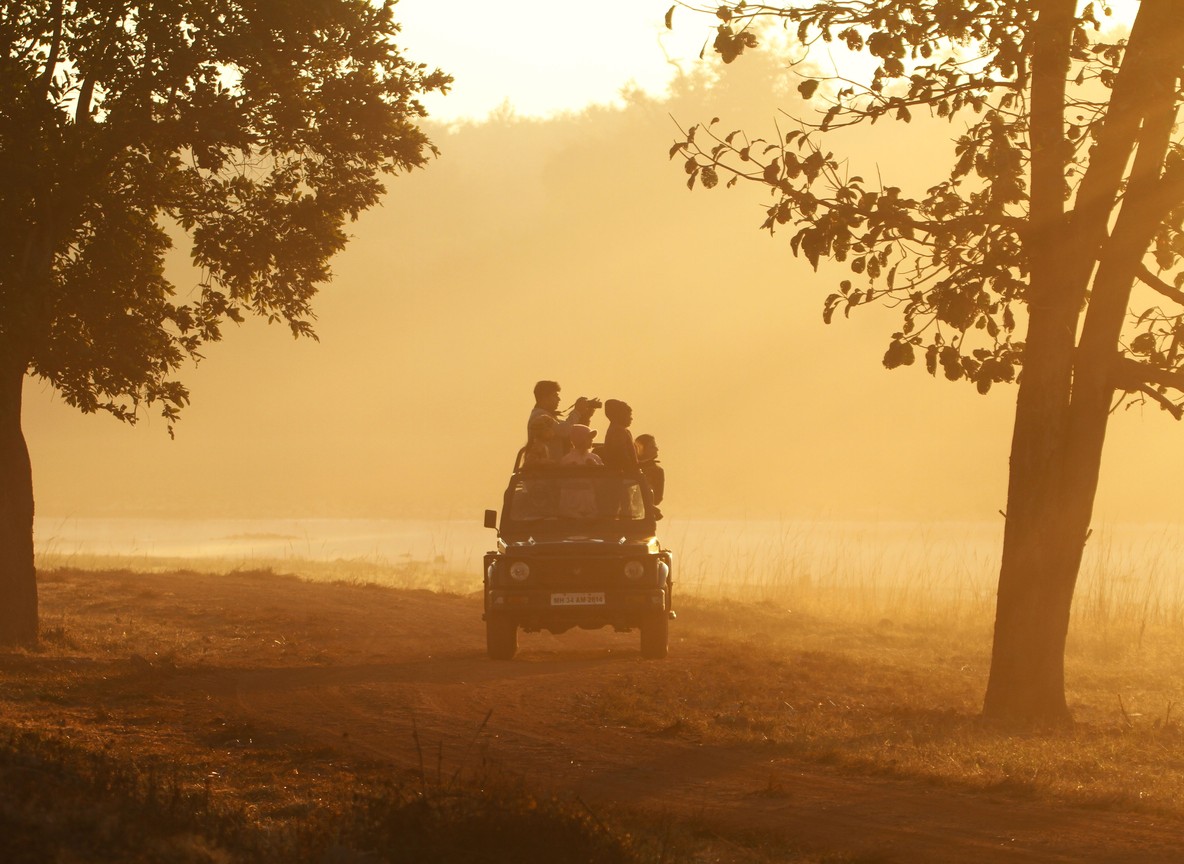
A great safari lives or dies on the guide in the front seat. Elewana Collection set out to fix that in 2018. It registered Kenya’s first apprentice guide-training programme that year. Elewana also became the only company in East Africa recognized as a Training Provider by the Field Guides Association of Southern Africa (FGASA). Almost a decade on, the programme still shapes how Elewana staffs its camps. It offers a useful blueprint for anyone curious about kenya safari guide apprenticeship training. Touring Insights breaks down how the programme works, what a similar path costs, and where these apprentices actually train.
What Is the Elewana Guide Apprentice Programme
Elewana launched its apprentice scheme on July 27, 2018. The first intake had 14 recruits: eight in Kenya and six in Tanzania, including two women. This is a minimum two-year apprenticeship, not a short course. New recruits spend their first six months rotating through lodge departments, from housekeeping to the kitchen. That grounding builds a full picture of the guest experience before anyone leads a game drive.
Most of the Kenya induction happens at Kifaru House on Lewa Wildlife Conservancy. It starts with botany classes and builds toward entomology and ornithology. Head of Guide Training Craig McFarlane built the original curriculum. He is a FGASA Level III guide with more than 27 years of field experience. By 2024 the training role had passed to guide trainer Sacha Toronyi, who now runs day-to-day instruction across Elewana’s Kenya properties.
What Is FGASA and Why It Matters for Kenya Guides
FGASA, the Field Guides Association of Southern Africa, is the accreditation body most safari operators trust. It proves a guide meets a regional standard, not just a national one. FGASA describes its role as training guides to be interpreters and guardians of natural and cultural heritage, not just drivers who can find a lion.
Elewana’s registration as a Training Provider matters for a practical reason. It lets the company run FGASA-recognized coursework in-house, inside East Africa, instead of sending apprentices to South Africa for every module. That saves real money and time for a young Kenyan guide who would otherwise need to fund international travel to sit FGASA exams.
Inside the Two-Year Curriculum
The apprenticeship stacks two credential tracks on top of each other rather than picking one.
In year one, apprentices work toward Kenya Professional Safari Guides Association (KPSGA) Bronze certification alongside FGASA Level 1. FGASA Level 1 covers the natural environment broadly: geology, history, plants, and animals specific to the guiding area. KPSGA Bronze is the entry credential every Kenyan guide needs. It centers on a written exam covering geography, first aid, conservation, and wildlife knowledge.
In year two, apprentices work directly alongside senior Elewana guides in the field. They sit FGASA Level 2, a step up into advanced birding, botany, tracking, people skills, and rifle handling. Many use this year to build toward KPSGA Silver too. Silver requires Bronze certification plus a minimum of three years of guiding experience, so most apprentices reach it after the formal programme ends, not during it.
A second intake followed in 2019: six new Kenya apprentices and four in Tanzania, while the original 14 progressed into year two. Graduates who complete the programme do not always stay with Elewana. Some move to other operators. Elewana treats that as a point of pride, not a loss, since it spreads FGASA-trained guiding standards across the wider Kenyan safari industry.
Where Apprentices Train: Elewana’s Kenya Camps
Training rotates across seven Elewana properties spanning four distinct Kenyan ecosystems, from semi-arid conservancy bush to montane forest.
| Camp | Ecosystem | Nearest airstrip | Approx. distance/time from Nairobi (road) |
|---|---|---|---|
| Kifaru House, Lewa | Lewa Wildlife Conservancy, Laikipia | Lewa Downs airstrip (approx. 45 min flight) | approx. 245 km, 5 hours |
| Lewa Safari Camp | Lewa Wildlife Conservancy, Laikipia | Lewa Downs airstrip | approx. 245 km, 5 hours |
| Loisaba Tented Camp | Loisaba Conservancy, Laikipia | Loisaba airstrip (approx. 45 min flight) | approx. 230 km, 5 hours |
| Tortilis Camp | Amboseli National Park | Amboseli airstrip (approx. 45 min flight) | approx. 221 km via Emali, 4-5 hours |
| Elsa’s Kopje | Meru National Park | Kinna/Mulika airstrip (approx. 50 min flight) | approx. 348 km, 5-6 hours |
| Sand River Masai Mara | Masai Mara National Reserve | Ol Kiombo airstrip (approx. 45 min flight) | approx. 270 km, 5-6 hours |
| Elephant Pepper Camp | Mara North Conservancy | Musiara airstrip (approx. 45 min flight) | approx. 270 km, 5-6 hours |
Distances and flight times are indicative and vary by exact route and aircraft schedule. Confirm current timings with a partner operator before booking.
FGASA vs KPSGA: How Kenya’s Two Guide Credentials Compare
Guests rarely see the paperwork behind their guide. The two systems still work differently enough to matter for anyone researching guide quality.
| Feature | KPSGA (Kenya) | FGASA (regional) |
|---|---|---|
| Governing body | Kenya Professional Safari Guides Association | Field Guides Association of Southern Africa |
| Levels | Bronze, Silver, Gold | Level 1, Level 2, Level 3, plus specialist trails/apprentice tracks |
| Entry requirement | Open exam, no prior level needed for Bronze | Varies by provider; often paired with an employer apprenticeship |
| Experience needed to advance | Silver requires 3 years’ guiding after Bronze | Level 2 typically follows a year of field practice after Level 1 |
| Recognition | Kenya-specific, industry standard nationally | Recognized across multiple Southern and East African countries |
| Typical route to entry | Independent study plus KPSGA exam | Often via an accredited Training Provider or dedicated field guide school |
| Indicative self-funded course cost (non-Elewana route) | Not publicly standardized; varies by exam sitting | approx. $900-1,100 USD for a 55-day accredited Level 1 field course at an independent FGASA school, 2026 pricing |
Elewana apprentices pursue both credentials as paid, employer-sponsored staff, not as fee-paying students. That is a different route from booking an independent FGASA field guide course. The self-funded cost above is for readers considering that separate path, not what Elewana apprentices pay.
Explorer Notes
Ask your guide directly which credential they hold and when they earned it. A guide who mentions KPSGA Silver or FGASA Level 2 unprompted is usually proud of the work behind it, and that pride tends to show in the quality of the drive. Guides trained through structured apprenticeships like Elewana’s often narrate differently than self-taught drivers. They connect a sighting to the wider ecosystem rather than just naming the species. If you are staying at Kifaru House or Sand River, ask whether your guide came up through the apprentice track. Many senior guides at these camps did, and they enjoy talking about their own training path almost as much as the wildlife in front of the vehicle.
What This Means for Choosing a Camp
None of this changes what a guest pays for a room. It should still change how travelers weigh a shortlist. A camp that invests in multi-year guide training, rather than hiring finished guides from elsewhere, tends to keep staff longer. That builds guiding knowledge specific to that property’s ecosystem. The payoff shows up in small things: a guide who knows which acacia a specific leopard favors, or which river crossing works best at a given water level.
When comparing camps in Laikipia, Amboseli, Meru, or the Mara, ask directly whether the property runs or supports formal guide training. It is a fair question, and a good one for judging a camp beyond its room rates and photographs.
What to Read Next
- Curious about the conservancy where most Elewana apprentices train? Read our Lewa Wildlife Conservancy guide.
- Want to see another Kenyan training pipeline in action? Check our piece on community scout training in Tsavo.
- Planning a Meru trip near Elsa’s Kopje? Start with our Meru National Park safari guide.
FAQ
What is Kenya’s first apprentice guide-training programme? It is Elewana Collection’s guide apprenticeship, registered on July 27, 2018. Elewana is the only company in East Africa recognized as a FGASA Training Provider, which lets it run FGASA-accredited coursework locally.
How long does the Elewana apprenticeship take? A minimum of two years. Year one covers KPSGA Bronze and FGASA Level 1. Year two adds fieldwork alongside senior guides and FGASA Level 2, covering advanced birding, tracking, and people skills.
What is the difference between FGASA and KPSGA? KPSGA is Kenya’s national guide certification, with Bronze, Silver, and Gold levels. FGASA is a regional accreditation body recognized across Southern and East Africa. Elewana apprentices work toward both credentials at once.
Do Elewana apprentices pay for their training? No. They are paid, employer-sponsored staff. That differs from independent FGASA field guide schools, where students pay course fees directly, often in the $900-1,100 range for a shorter accredited Level 1 programme.
Which Elewana camps host guide apprentices in Kenya? Training rotates across Kifaru House and Lewa Safari Camp on Lewa Wildlife Conservancy, Loisaba Tented Camp in Laikipia, Tortilis Camp in Amboseli, Elsa’s Kopje in Meru National Park, and Sand River and Elephant Pepper Camp in the Masai Mara ecosystem.
A well-trained guide is one of the few safari details you can research before you travel. If guiding quality matters to how you choose a camp, visit our Tour Packages page to compare properties. Or ask a partner operator directly which of their guides came up through a structured apprenticeship like this one.